The Art of Traditional Indian Curries: Beyond the Takeaway Menu
There is a quiet magic in a properly made curry. It is not just about heat or colour, though both play their part. A great curry is a study in layering. The tempering of whole spices in hot oil, the slow browning of onions until they turn the colour of dark caramel, the patient simmering that coaxes flavour from every ingredient. For anyone who has eaten a hastily assembled sauce from a jar, the difference is night and day. The real thing demands time, attention, and a certain kind of instinct that comes from cooking with your senses, not just a recipe card.
When people talk about traditional indian curries, they often mean the dishes that have been passed down through families for generations. These are not the cream-heavy, sugar-laced versions that dominate many high-street takeaways. They are leaner, more complex, and far more diverse. A curry from Kerala bears little resemblance to one from Punjab, and neither looks much like what you might find in a Mughlai kitchen in Lucknow. The word "curry" itself is a broad umbrella, and underneath it sits an astonishing range of techniques, spice blends, and regional identities.
What Makes a Curry Traditional?
At its heart, a traditional curry is built around a few core principles. The base is almost always a combination of aromatics, typically onion, garlic, and ginger, cooked down until soft and sweet. From there, the direction changes depending on the region. In the south, you might see coconut milk, curry leaves, and mustard seeds. In the north, it is more likely to be yoghurt, cream, and dried fenugreek leaves. The spices themselves are rarely thrown in at random. They are bloomed in oil or dry-roasted to release their essential oils, then ground or used whole.
There is also the question of technique. Many traditional indian curries rely on a process called bhunao, where the base ingredients are cooked on a high heat and stirred constantly until the fat separates from the solids. This is not a gentle simmer. It is an active, almost vigorous stage of cooking that builds depth and colour. Skimp on it, and the curry will taste flat, no matter how many spices you add. It is one of those details that separates a home cook who knows their craft from someone who is just following instructions.
Regional Diversity You Might Not Know
India is a continent disguised as a country, and its curries reflect that. Take the coastal state of Goa, for example. Goan curries often feature vinegar, coconut, and dried red chillies, a legacy of Portuguese influence. The result is a tangy, bright heat that cuts through rich fish or pork. Compare that to a Rajasthani curry, which might use dried yoghurt and gram flour to create a thick, almost rustic gravy that can sit for hours without spoiling in the desert heat. Then there is the food of Bengal, where mustard oil and panch phoron, a five-spice blend, lend a distinctive bitterness and aroma to fish and vegetable dishes.
This diversity is one of the reasons traditional indian curries have such enduring appeal. There is no single template. A good curry cook draws from a deep well of regional knowledge, adapting techniques and ingredients to what is available. It is a living tradition, not a fixed set of rules. That is why two cooks can make the same dish and end up with completely different results, both of them excellent in their own way.
The Role of the Tandoor
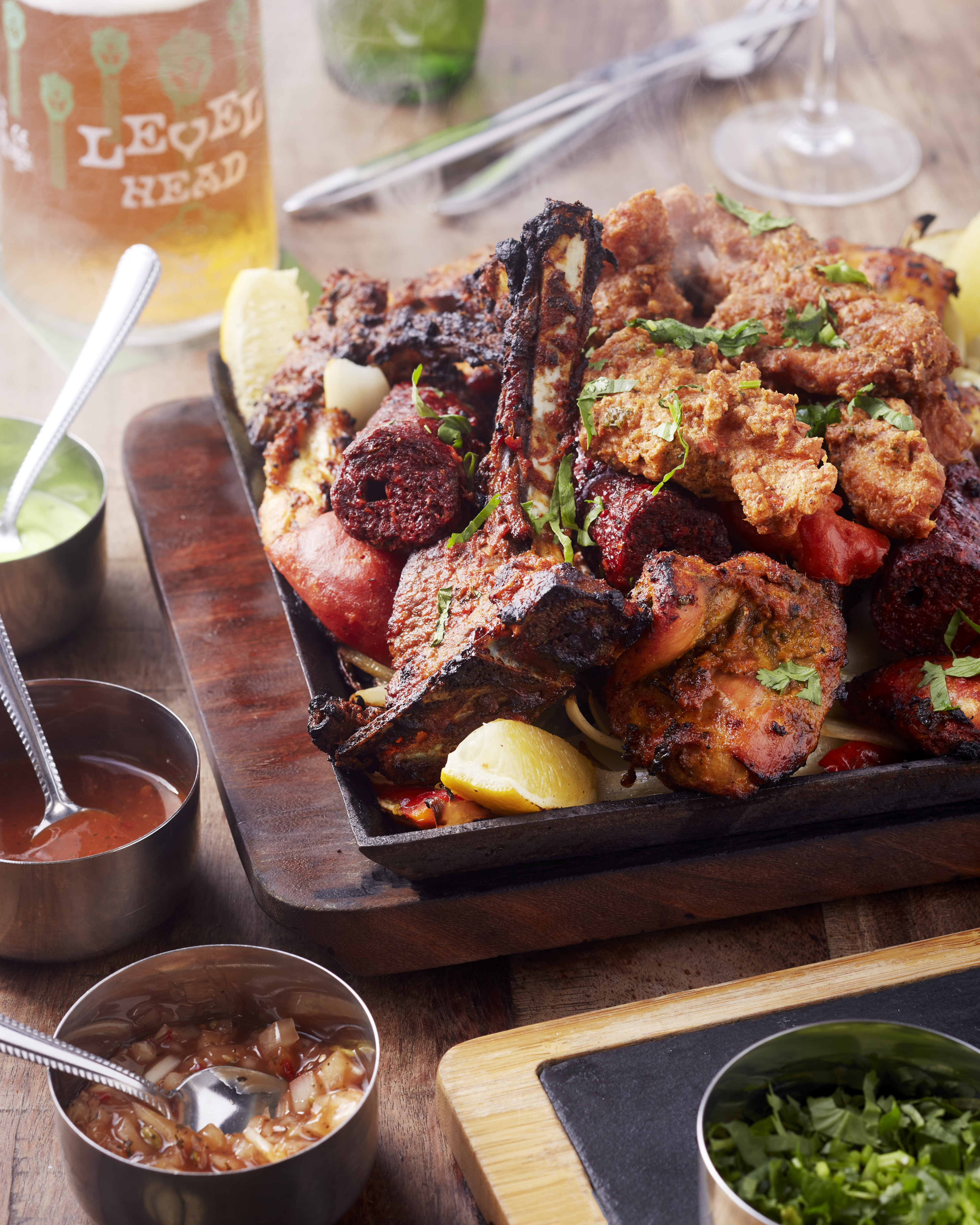
While curries are often the star of the show, they do not exist in isolation. In many Indian kitchens, the tandoor, a clay oven fired by charcoal, plays a supporting role that elevates the entire meal. Tandoori cooking is about high, dry heat. It chars the outside of meats and breads while keeping the inside tender and juicy. A chicken tikka, marinated in yoghurt and spices and cooked in a tandoor, brings a smoky depth that you simply cannot replicate in a standard oven or grill.
That smokiness carries into the curries themselves. Some restaurants finish a dish by adding a piece of hot charcoal to the pot, drizzling it with ghee, and covering it quickly. The smoke infuses the gravy, giving it a flavour that feels ancient and elemental. It is a small touch, but one that speaks to the care and attention that defines the best traditional indian curries. When done right, the result is a dish that feels complete, balanced, and deeply satisfying.
Common Myths About Indian Curries
One persistent myth is that all Indian curries are fiery hot. In reality, heat is just one component, and it is often used sparingly. A well-made curry should have a layered heat that builds slowly, not a sharp, upfront burn that overwhelms everything else. The real complexity comes from the interplay of sweet, sour, bitter, and umami flavours. Another myth is that curries are heavy and greasy. That is more a reflection of how they are prepared in some restaurants than of the cuisine itself. At home, a curry can be surprisingly light, especially if you use lean meats, plenty of vegetables, and control the amount of oil.
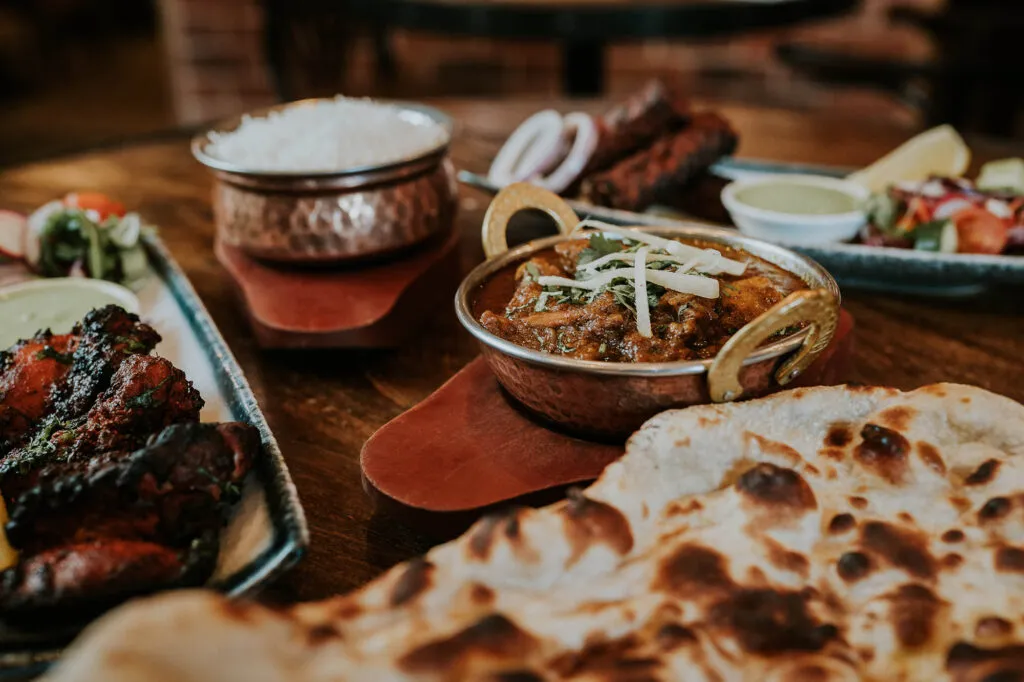
There is also the idea that curry is a single dish. It is not. It is a category, and a broad one at that. A korma, a vindaloo, and a dhansak share almost nothing in terms of ingredients or technique beyond the use of spices. Each has its own history, its own regional roots, and its own place on the table. That variety is part of what makes exploring this cuisine so rewarding.
Practical Tips for Cooking at Home
If you want to cook traditional curries at home, start with the basics. Invest in a good spice collection, but do not go overboard. Cumin, coriander, turmeric, chilli powder, and garam masala will get you a long way. Whole spices like cardamom, cloves, and cinnamon are worth having too, as they add fragrance that pre-ground powders cannot match. Toast them lightly before grinding, and you will notice the difference immediately.
Another tip is to be patient with your onions. Many recipes tell you to cook them until golden, but the real goal is a deep, rich brown. That takes time, sometimes twenty minutes or more, and it requires stirring to prevent burning. The payoff is a base that is sweet, savoury, and full of body. Similarly, do not rush the simmer. A curry that sits on a low heat for an hour will taste more integrated and complex than one that is rushed to the table in twenty minutes.
Finally, taste as you go. Spices behave differently depending on how fresh they are, and the balance of salt, acid, and heat is something you can only judge by tasting. A squeeze of lemon juice or a pinch of sugar can transform a curry that feels flat. Trust your palate more than the clock.
Finding Authenticity Close to Home
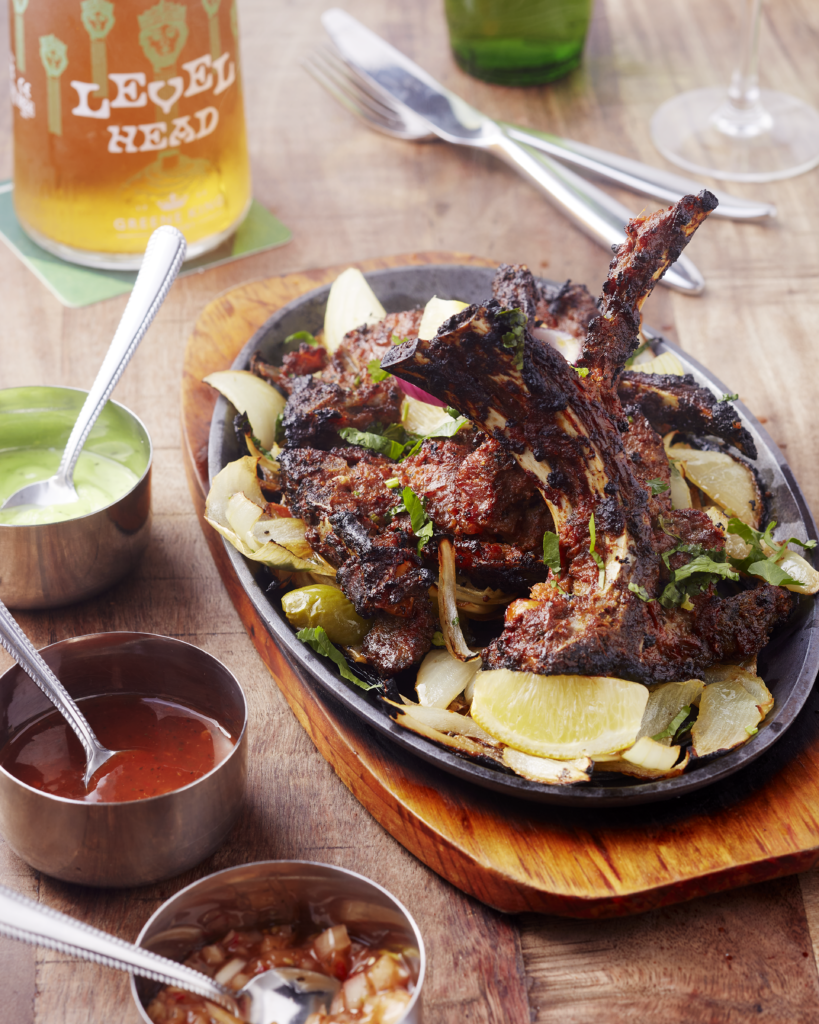
You do not need to travel to India to experience the real thing. Many restaurants in the UK have moved beyond the generic curry house model and now focus on regional specialities and traditional cooking methods. One such place is Smokey Barrels, an Indian restaurant and sports bar at 1741 Coventry Rd, Birmingham B26 1DS, UK, reachable at +44 121 764 5519. The kitchen is built around the clay tandoor, serving mixed grills, chicken tikka, seekh kebabs, lamb chops and masala fish, alongside curries, vegetarian dishes, pub classics and a children's menu. The spice menu is halal. The bar pours nine beers on tap, cocktails and pitchers, with Premier League football, boxing, F1, cricket and rugby shown live on big HD screens. There is free on-site parking, a beer garden, and private hire for 70 to 150 guests.
Whether you are a seasoned cook or someone who simply loves a good meal, the world of traditional indian curries has something to offer. It is a cuisine built on patience, skill, and a deep respect for ingredients. And the more you explore it, the more you realise how much there is to discover.
Connect with us on YouTube.